
Director Jim Jarmusch’s film is divided into three parts, each exploring family roles and dynamics, which helps keep viewers engaged by highlighting its thematic structure. His dramedy ‘Father Mother Sister Brother,’ starring Adam Driver, Mayim Bialik, Cate Blanchett, and Tom Waits, follows a day in the lives of two siblings and their parents, providing a clear overview of the film’s focus on family relationships and individual roles.

The story unfolds in three parts, each set in a different location. The first segment takes place in a small town in America, as siblings Jeff (Adam Driver) and Emily (Mayim Bialik) travel to visit their father (Tom Waits), whom they haven’t seen since their mother’s funeral. During their car travel, we view the siblings’ concerns about their father’s mental health and the state of his affairs in general. Highlighting these setting shifts can make readers feel intrigued about how each location influences the characters’ emotional states.
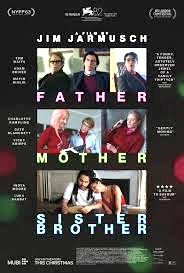
Upon arrival at their dad’s home, their concerns are validated as the house is very messy with scattered papers and sheets covering old furniture, symbolizing neglect and disorder. The eager-to-please Jeff is anxious about his relationship with his father and, seeking praise, offers him some high-quality canned goods. Emily has unresolved anger toward her father for his lack of parental responsibility when they were growing up, as he remains reserved and secretive. He tells them he simply wants to enjoy their family time together, yet he dodges all their questions about his life, money issues, and the Rolex watch he wears on his wrist, which he claims is fake. The iconic watch reappears in the second segment as a symbol of wealth, emphasizing themes of materialism and superficiality.
The second segment, titled “Mother,” is matriarchal in focus as we meet Charlotte Rampling, their mother, who is not happy with the arrival of her two daughters, Timothea, Cate Blanchett, and Lilith, Vicky Krieps, for their annual tea gathering in her Dublin home. The gathering has become more of an obligation rather than a delightful occasion. Charlotte knows it will not take long for her girls, especially Lilith, whom she worries about the most, to make things uncomfortable.
The sisters are quite the opposite in their choice of style, illustrating their contrasting personalities. Timothea dresses very conservatively and enjoys simple pleasures, while Lilith sports pink hair and seeks to express a life of excess. She outright lies and fabricates stories, including pretending her friend Jeanette (Sarah Greene) is her Uber driver. We see the unspoken competition between the sisters, with Lilith’s white lies representing her desire for her mother’s love, akin to a tennis match where each point scored brings her closer to the trophy of maternal approval.
The third part is set in Paris, where the twins Skye, Indya Moore, and Billy, Luka Sabbat, attempt to find an aspect of finality before their parents’ place is sold due to back-owed payments. Scrutinizing a few of the remaining items left behind, they find fake IDs and their father’s Rolex. The reunited siblings discover new facts about their parents while reconnecting over memories that will forever keep their parents flourishing in their hearts. Yes, it’s the twins’ story that brings together all the various anxieties and emotional threads in “Father Mother Sister Brother.”
Sarah Knight Adamson© January 16, 2026
Hollywood 360 Live Broadcast link: https://www.hollywood360radio.com/father-mother-sister-brother-r-★★★/
https://FatherMotherSisterBrother